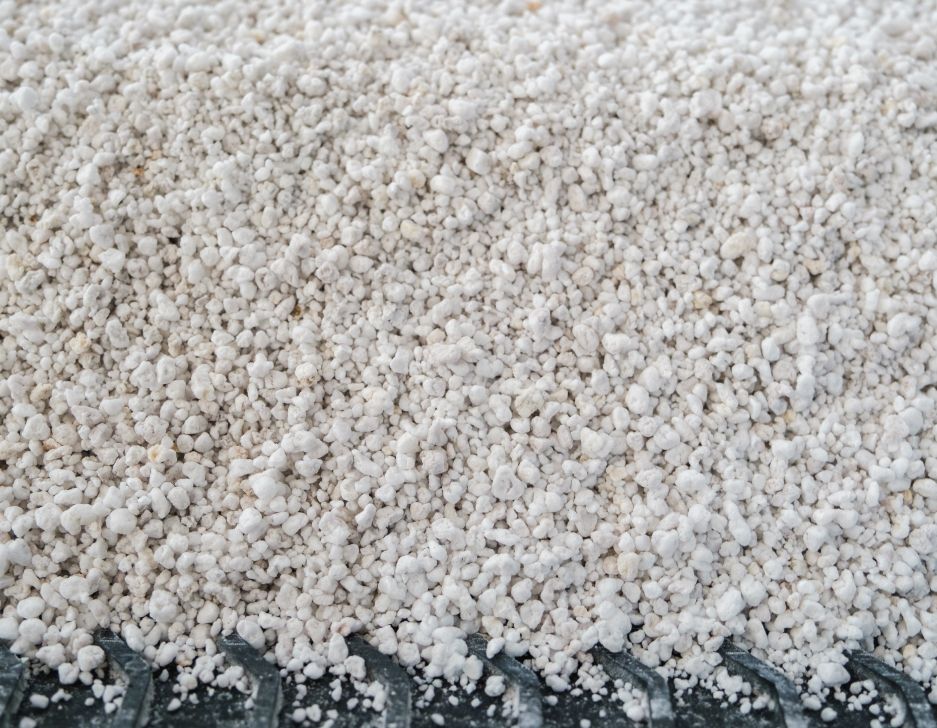
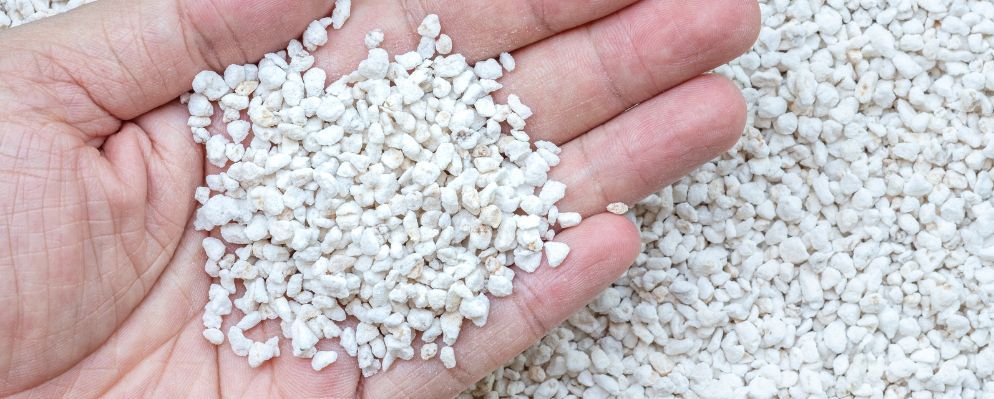
If you work with potting mixes, soil amendments, or hydroponic systems, one common question often comes up: is perlite toxic? This concern is especially relevant for home gardeners, commercial growers, and greenhouse operators across Oregon—particularly in and around Portland, Oregon—where perlite is widely used for plant health and soil performance. Understanding the safety, handling, and proper preparation of perlite helps ensure confident and responsible use across gardens, nurseries, and agricultural projects.
What Is Perlite and Is Perlite Toxic?
Perlite is a naturally occurring volcanic mineral that expands when heated at high temperatures. This expansion creates a lightweight, porous material widely used in horticulture, construction, and filtration. From a safety standpoint, the key question remains: is perlite toxic to humans, pets, or plants?
The short answer is no—perlite itself is non-toxic. It contains no harmful chemicals, does not leach toxins into soil, and is considered inert. This is why it has become a trusted component in potting soils and growing media throughout Oregon and the broader West Coast.
However, like many fine particulate materials, perlite dust can be irritating if inhaled in large amounts. This is not toxicity but a physical irritation risk, which is easily managed with proper handling and preparation.
Why Understanding “Is Perlite Toxic” Matters for Growers
Benefits and Importance of Knowing If Perlite Is Toxic
Knowing the answer to is perlite toxic is essential for several reasons:
Safe for plants: Perlite does not harm roots or alter soil chemistry.
Safe for people: When used correctly, it poses no health hazards.
Pet-friendly material: Accidental ingestion of small amounts is not poisonous.
Environmentally responsible: Perlite is a naturally derived, inert material.
For growers in Portland, Oregon, where urban gardening and commercial horticulture are both thriving, this safety profile makes perlite a reliable choice for indoor and outdoor use.
Is Perlite Toxic When Used in Potting Mixes?
When mixed into soil or soilless growing media, perlite remains stable and safe. The only precaution is reducing airborne dust during handling—something especially important in enclosed greenhouse environments.
Applications and Use Cases in Oregon
Oregon’s diverse climate—from coastal moisture to drier inland zones—makes perlite especially valuable. In Portland, Oregon, where rainfall and drainage management are key gardening concerns, perlite helps prevent soil compaction and root rot.
Common Oregon-based applications include:
Home gardens and raised beds
Commercial nurseries and greenhouses
Indoor plant cultivation
Hydroponic systems
Because is perlite toxic is a frequent concern among new gardeners, Oregon growers appreciate that perlite offers performance benefits without chemical risk.
Demand Across the West Coast: California and Washington
Beyond Oregon, perlite demand remains strong throughout the West Coast. California’s large-scale agricultural operations and Washington’s greenhouse and nursery industries rely on perlite for aeration and moisture control.
Across these states, the same safety question applies: is perlite toxic in large-scale or repeated use? The answer remains consistent. Perlite is non-toxic and suitable for frequent handling, provided basic dust precautions are followed.
Its versatility across varying climates—from California’s dry zones to Washington’s cooler, wetter regions—reinforces perlite’s reputation as a safe, adaptable growing medium.
Nationwide Relevance in the United States
Across the United States, perlite is regulated as a safe material for horticultural and industrial use. It contains no asbestos, no synthetic additives, and no harmful residues. This nationwide acceptance is why perlite continues to be specified in professional soil blends, greenhouse operations, and agricultural standards.
For growers anywhere in the USA, understanding is perlite toxic helps eliminate hesitation and supports informed material selection.
How to Handle and Prepare Perlite Safely
How to Sterilize Perlite for Clean Growing Environments
While perlite itself is non-toxic, growers sometimes want to sanitize it before use, especially for seed starting or disease-sensitive plants. Knowing how to sterilize perlite can add another layer of confidence.
Common methods include:
Boiling water rinse: Pour boiling water over perlite and allow it to cool.
Oven sterilization: Heat at low temperature for a short duration.
Steam treatment: Effective for larger batches in greenhouse settings.
Learning how to sterilize perlite is especially useful in Oregon’s humid environments, where mold and pathogens can develop if materials are reused.
How to Choose the Right Perlite Product
When selecting perlite, safety and quality go hand in hand. Look for:
Low-dust or pre-rinsed perlite options
Consistent particle size for your application
Reliable suppliers with horticultural-grade standards
If you are searching for a trusted source in Oregon or nearby West Coast states, you can explore options through to find high-quality material suited to your needs.
Choosing the right product ensures you benefit fully from perlite’s performance while avoiding unnecessary dust exposure.
FAQs About Is Perlite Toxic
Is perlite toxic to humans?
No, perlite is non-toxic. Dust may cause temporary irritation if inhaled, but it is not poisonous.
Is perlite toxic to pets?
Perlite is not toxic to cats or dogs. However, ingestion should still be avoided as it may cause mild digestive discomfort.
Is perlite toxic when used indoors?
No. Once settled into soil, perlite is safe for indoor plants. Rinsing before use helps reduce dust.
How to sterilize perlite before reuse?
You can sterilize perlite using boiling water, steam, or low-temperature oven heating.
Is perlite toxic to vegetables and edible plants?
No. Perlite is safe for vegetable gardens and does not contaminate edible crops.
Conclusion: Is Perlite Toxic or Safe to Use?
So, is perlite toxic? The evidence is clear: perlite is a non-toxic, inert, and plant-safe material trusted by growers across Oregon, the West Coast, and the United States. With proper handling and simple preparation methods—such as understanding how to sterilize perlite—it remains one of the safest and most effective soil amendments available today.
Its widespread use in Portland, Oregon, and beyond reflects long-standing confidence in its safety and performance.

March 19th, 2026
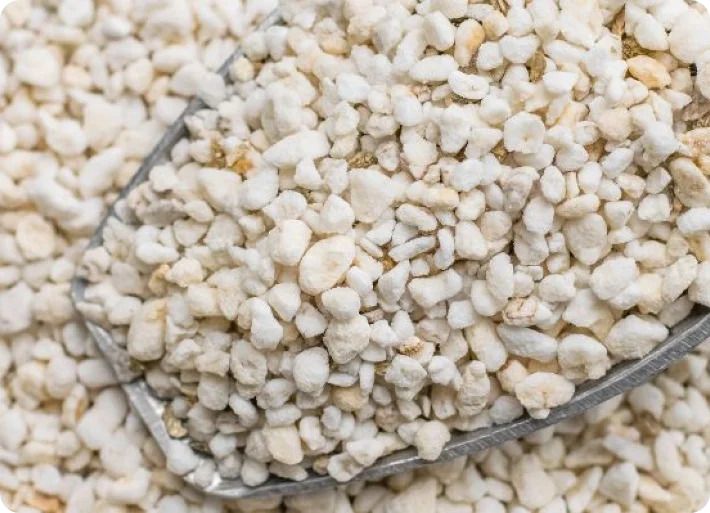
Perlite Potting Soil: The Smart Foundation for Healthier Plants in Oregon and Beyond
Horticulture
March 5th, 2026
Where to Buy Perlite Near Me: A Complete Oregon & West Coast Buyer’s Guide
Horticulture
February 18th, 2026